The Hype Filter: Spotting a Real Wild Slot From Marketing Glitter in 2026
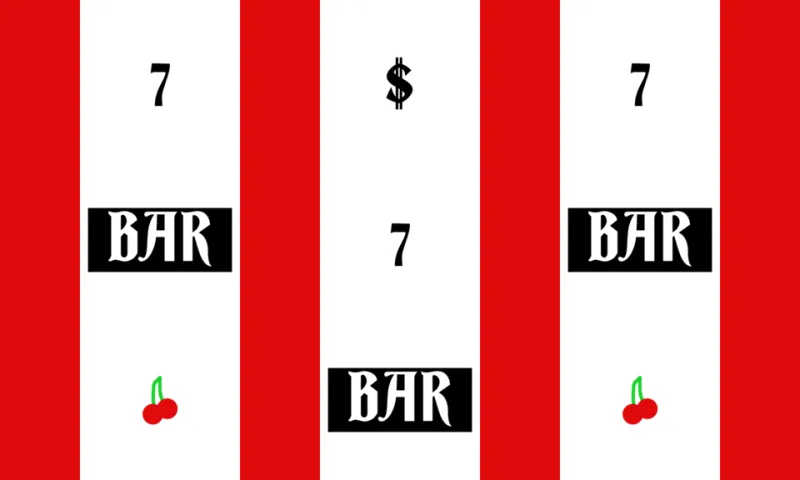
Photo: Icandostuff, CC BY-SA 4.0, via Wikimedia Commons
Wild On Casino is not here to pour cold water on every flashy slot. A well-built game with a properly explained wild can be brilliant fun. But the word wild has become shorthand for excitement, and excitement is easy to manufacture. In 2026, UK players are spoiled for choice and buried in claims. This field guide is the filter we use when a new release arrives with a fireworks display and a promise that the wilds will do the heavy lifting.
Why wild is the easiest word in slot marketing
A wild symbol is simple: it stands in for other symbols to help complete a winning line or combination. That is it. Where it appears, how often it lands, whether it expands, sticks, multiplies or triggers a bonus — those details live in the paytable and game rules, not in the trailer. A game can legitimately call itself wild-heavy and still have long dry spells. That is not a scandal; it is volatility doing its job. The scandal is when the marketing implies a wild is a shortcut to a payout.
Safer-play checkpoint: before you spin for real, open the paytable and find the wild. Ask what it substitutes for, whether it appears on every reel, and what happens in the bonus round. If the answers are vague, treat the hype as entertainment, not information.
Volatility labels are useful, but they are not a personality test
Low, medium and high volatility are broad labels. They describe the rough shape of a game's payout profile: gentler and more frequent versus rarer and larger. They are not standardised across every developer, and they do not tell you what will happen in your next fifty spins. A high-volatility slot is not brave; a low-volatility slot is not safe. They are different rhythms.
Safer-play checkpoint: match the rhythm to your budget, not your mood. If a £10 session is the plan, a game that can swallow many spins without a return may not be the best fit. Set the budget and time limit before you open the game, then pick the volatility to suit the session you can afford.
RTP ranges: read the small print twice
Return to player, or RTP, is a long-run average, not a promise for your session. Some games publish a single figure; others can be configured differently, so the RTP you see on one site may not match another. That is exactly why the help screen matters. A flashy landing page can shout about a feature while a quieter line of text carries the number that tells you more.
Safer-play checkpoint: compare the published RTP and game rules at the operator you actually use. If the figure is hard to find, that is useful information too. Do not chase a game because a streamer or forum post claims a particular version is hotter. RTP is not a thermostat.
Near misses are theatre, not destiny
Near-miss design is the art of making a spin look closer to a win than it was. Two wilds landing beside the payline can feel like the game is warming up. It is not. Slot outcomes are generated by a random number generator, and a near miss is simply one outcome among many. The feeling is real; the implied promise is not.
Safer-play checkpoint: if you notice yourself saying one more spin because it nearly came in, that is a cue for a break, not a cue to increase the stake. Use a time alert or reality check to interrupt the story the screen is telling you.
The six-point hype filter
- Licence check. Is the operator licensed by the UK Gambling Commission? A licence is not a guarantee of a good time, but it is the baseline for consumer protections.
- Paytable first. Read what the wild does before you read the review. Feature names are marketing; paytable rules are mechanics.
- Max win and hit frequency. If the game advertises a huge maximum win, check how the game describes the journey. A giant top prize can sit alongside long dry spells.
- Volatility and RTP. Find both, and treat them as context rather than prophecy.
- Bonus terms. If the appeal is a bonus, read the wagering, eligible games and time limits. A wild slot may not even count fully towards playthrough.
- Demo mode. Try the game without staking real money. You will learn more about pace and feature frequency in ten minutes of demo play than in ten adverts.
Each of those points pairs with a safer-play checkpoint: set a deposit limit, decide a loss limit, set a time alert, and know where the reality check sits. The filter is not there to kill the fun. It is there to keep the fun inside a boundary you chose while you were thinking clearly.
A field test for a wild new release
When a new game lands with a wild-heavy theme, try this. Open the help screen. Find the wild. Find the RTP. Find the maximum win. Set a 20-minute timer. Decide a spend that would not bother you if it vanished. Then play in demo or at a low stake, and stop when the timer says stop, not when the screen says almost.
That last part is the whole game. A wild symbol can make a slot more interesting. It cannot make a session smarter. That job belongs to limits, time checks and the willingness to walk away while you are still enjoying yourself.
The bottom line
Wilds are a feature, not a force field. In 2026, the best hype filter is still a boring one: read the rules, check the numbers, set your limits and treat near misses as theatre. Wild On Casino wants big wins and smart play in the same sentence — and that means letting the marketing sparkle without letting it make your decisions. If gambling stops feeling like entertainment, step away and use the support tools at GamCare or BeGambleAware. 18+.