Loyalty Perks That Earn Their Keep: A UK Casino Value Check for 2026

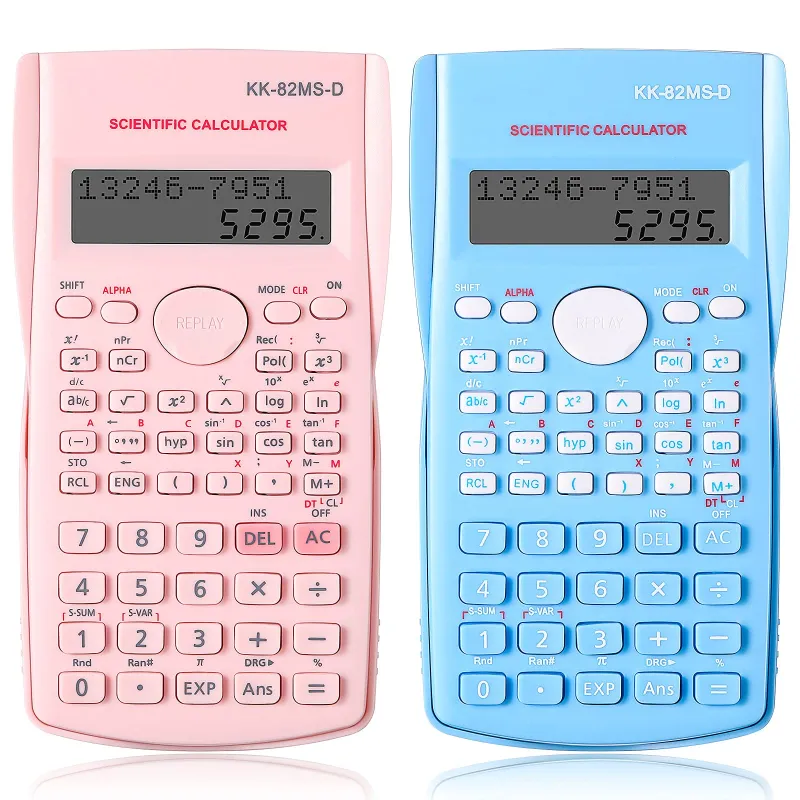
Photo: UK casino loyalty card and calculator with pound coins on desk, responsible gambling checklist, via upload.wikimedia.org
Loyalty schemes are the casino world's answer to a loyalty card: pleasant on the surface, occasionally useful, and very good at making you forget what you came in for. In 2026, UK players are spoilt for choice when it comes to VIP tiers, weekly cashback, reload rewards, free spins and points shops. The problem is that headline values are not values at all. A £50 bonus with 35x wagering is not £50. A 'gold tier' invitation is not a gift if reaching gold costs you £500 of extra spinning.
So here is the Wild On approach: audit the perk by what it realistically returns per £100 wagered, after the small print has had its say. That does not mean every reward is bad. It means the good ones tend to share a few plain-English qualities: low wagering, short lock-up, clear cash value and no need to chase a tier you would not otherwise touch.
The only maths that matters
Start with three questions. What is the cash value of the reward? What must you wager before it becomes withdrawable? And what happens if you do not finish in time?
A simple working measure is reward value divided by the wagering you must complete, then scaled to £100. If a perk gives you £2 of expected value but requires £400 of spins, it is returning roughly 0.5p per £1 wagered. If another gives £1 but requires only £100 of spins, it is returning 1p per £1. The second is smaller in headline terms and better in practice.
That is why no-wagering cashback often beats a flashy deposit match. It is also why a 10x reload can be worth a look while a 40x 'mega bonus' is usually a loyalty test for your bankroll, not a reward for your play.
Six perks worth considering
The bands below are illustrative, not promises. They assume normal UK slot play at around 96% RTP, sensible stakes and full compliance with the terms. Your own value will move with game contribution, max bet rules and how much you would have played anyway.
1. No-wagering cashback on net losses
Typical return: around 0.2p to 0.5p per £1 wagered. This is the cleanest perk in the market. If a casino pays 5% to 10% of weekly net losses as cash, with no play-through and a sensible cap, you can see exactly what it is worth. It will not fund a holiday, but it is real money and it does not demand extra spins. Check whether cashback is paid on net losses or gross losses, whether it is capped at £10 or £100, and whether the weekly window resets at a convenient time.
2. Low-threshold points converted to cash
Typical return: around 0.1p to 0.4p per £1 wagered. Points schemes can be decent when the conversion threshold is low, the cash value is clear and there is no play-through on the converted amount. They become decorative when you need 10,000 points for a £5 reward and the points expire after 60 days. Look for 1 point per £5 to £10 wagered, a £1 to £5 conversion floor and a conversion rate you can actually reach in a normal month.
3. Reload match with 10x to 15x bonus-only wagering
Typical return: potentially 0.5p to 1.5p per £1 wagered, but only if you were going to play that volume anyway. A £20 bonus with 10x bonus wagering needs £200 of spins, which is manageable for a regular session. A £20 bonus with 35x deposit-plus-bonus wagering needs £1,400 of spins, which is a different hobby entirely. Check max bet limits, slot contribution and whether the bonus is removed if you try to withdraw early.
4. Free spins with low winnings wagering and a fair expiry
Typical return: often under 0.3p per £1 wagered, but useful as a low-cost taster. Forty spins at 10p are £4 of spins, not £40. If winnings carry 10x wagering and a seven-day expiry, they can be a bit of fun. If winnings carry 40x wagering inside 24 hours, they are closer to a countdown timer than a reward. Always check the spin value and the maximum conversion cap.
5. VIP weekly bonus at a tier you already hold
Typical return: variable, often 0.05p to 0.2p per £1 wagered unless you are a high-volume player. VIP schemes reward volume, which is fine if the volume is your normal play. They are poor value if the tier itself becomes the goal. A weekly £5 bonus is a nice extra. Spending £300 to reach the tier that unlocks it is not a perk; it is a subscription you did not plan to buy.
6. Prize draws and tournament entries
Typical return: entertainment value, not cash value. A free entry into a £1,000 prize draw feels generous because the prize is large, but your individual expected return may be pennies. Treat these as a bit of fun rather than part of your bankroll plan. If the entry requires a deposit or a minimum number of spins, price it like a night out, not an investment.
The traps that tax your play
Tier locks are the big one. A scheme may advertise 'up to £500 in rewards', but the top rewards sit behind a tier that requires months of heavy play. If you would not have played that much without the scheme, the scheme has changed your behaviour for the worse.
Expiry rules are the second trap. Bonus funds that vanish in 24 hours, free spins that expire in 48 hours and points that reset every 90 days all push you to play faster than you might have planned. Fast play is not automatically bad, but it is bad when the clock is doing the deciding.
Play-through conditions are the third. Check the wagering multiple, whether it applies to bonus only or deposit plus bonus, the maximum bet allowed while wagering, the game contribution rates and the maximum conversion from free spins. A '£100 free' offer with a £20 max conversion is really a £20 offer with a lot of homework.
A three-minute audit for your next perk
Before you opt in, write down the cash value, the wagering required, the expiry date, the eligible games and the maximum you can convert. If you cannot find one of those in under three minutes, the offer is not clear enough to be a good deal. Then ask a simple question: would I have played this much without the perk? If the answer is no, the perk is buying your time, not rewarding it.
Set a session limit before you chase anything. Use deposit limits, loss limits and time reminders. A loyalty scheme should sit on top of your normal play, not underneath it as an incentive to keep going. The best perk in 2026 is the one that adds a little value without adding a reason to stay longer than you planned.